One River, Ethics Matter (OREM)
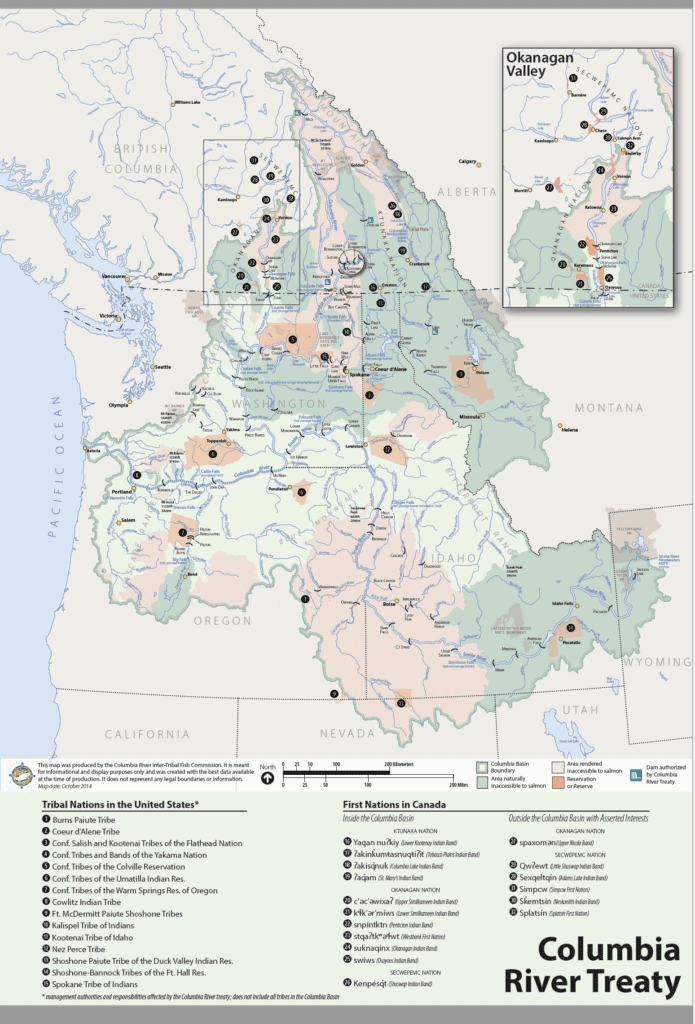
One River, Ethics Matter (OREM) is a multi-year ethics consultation on behalf a severely impacted Columbia River. The annual conferences fuse together three processes :
- a consultation process used in medical ethics
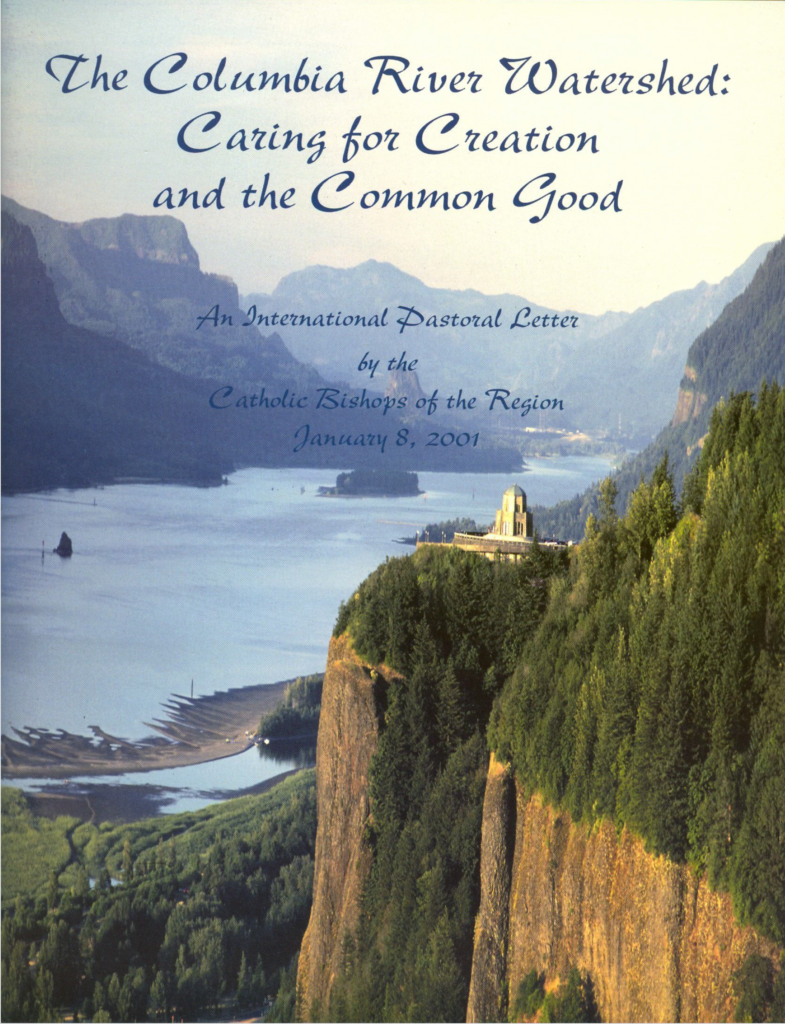
- a transformative process embodied in the Columbia River Pastoral Letter
- a truth and reconciliation process: healing dialogue modeled from South Africa’s response to apartheid.
Each OREM intends to have both Indigenous and academic hosts, alternating between Canada and the United States. A primary focus is on Indigenous people who have lived with the river from time immemorial and for whom the river’s life, including salmon, are front and center.
OREMs 1-12 are summarized below. For more on OREM.
Indigenous and Faith leaders’ 2014 letter to Prime Minister Harper and President Obama
- Religious leaders: U.S., Canada need to negotiate, modernize Columbia River Treaty
- Salmon ground is holy ground
- Episcopal-Anglican-Lutheran leadership of Canada, US write to President Obama, Prime Minister Harper
- The Anglican Church of Canada
Declaration on Ethics & Modernizing the Columbia River Treaty
- The Declaration (pdf)
- Signers
| OREM | Indigenous Facilitator / Host | Academic Host | Focus | Focus |
|---|---|---|---|---|
| OREM-1 2014 - Spokane | Upper Columbia United Tribes (UCUT) | Gonzaga University1 | Salmon extinction, water pollution, and Grand Coulee Dam; restoring salmon above the dam. | Salmon extinction, water pollution, and Grand Coulee Dam; restoring salmon above the dam. |
| OREM-2 2015 - Portland | Columbia River Inter-Tribal Fish Commission (CRITFC) | University of Portland | 1948 Vanport flood, leading to Treaty dams permanently flooding river valleys of the Upper Columbia | |
| OREM-3 2016 – Boise | Upper Snake River Tribes Foundation, Nez Perce Tribe | Boise State University2 | Restoring salmon to the Upper Snake River above the Hells Canyon Dam Complex | |
| OREM-4 2017 – Revelstoke | Syilx/Okanagan Nation Alliance, Secwepemc, Ktunaxa, UCUT | Mir Centre for Peace, Selkirk College3 | Treaty dams’ impacts: biologic devastation, forced relocation of 2000 residents, flooding of Indigenous archeological sites. | |
| OREM-5 2018 – Missoula | Confederated Salish and Kootenai Tribes | University of Montana4 | Impacts of dams on western Montana (Libby, Hungry Horse, and Kerr dams) and Indigenous-led solutions (VarQ and sturgeon recovery) | |
| OREM-6 2019 – Castlegar | Syilx/Okanagan Nation Alliance, Secwepemc, Ktunaxa, UCUT | Selkirk College and Spokane Community Colleges | The importance of transboundary communities working together to reverse environmental degradation, restore salmon, and empower youth. | |
| OREM-7 2020 - Ridgefield & Vancouver (virtual) | Cowlitz Indian Tribe | Washington State University - Vancouver5 | Pandemics and the central importance of salmon to Indigenous peoples of the Lower Columbia River and estuary. | |
| OREM-8 2021 – Westbank & Kelowna (virtual) | Syilx / Okanagan Nation Alliance | University of British Columbia – Okanagan | Indigenous-led efforts to restore salmon to the Okanagan River, and lessons for the mainstem Upper Columbia River. | |
| OREM-9 2022 – Spokane (virtual) | Spokane Tribe of Indians, Coeur d’Alene Tribe, UCUT | Eastern Washington University6 | Cultural genocide and Indigenous-led efforts to restore salmon to the Spokane River. | |
| OREM-10 2023 – Corvallis & Kelowna (virtual) | Universities Consortium on Columbia River Governance, UBC-O, OREM, North American Youth Parliament for Water | Building on the 2019 Kimberley BC conference, a conference to revitalize transboundary public dialogue about the past and future of the Columbia River Basin and river governance. | ||